

The Impact of Artificial Intelligence on Auditing Practices

In recent years, artificial intelligence (AI) has garnered attention across various fields, and auditing is no exception. The introduction of AI into auditing practices is transforming traditional methodologies, enhancing efficiency, and improving accuracy. As companies strive for transparency and accountability, the role of AI is becoming more critical.
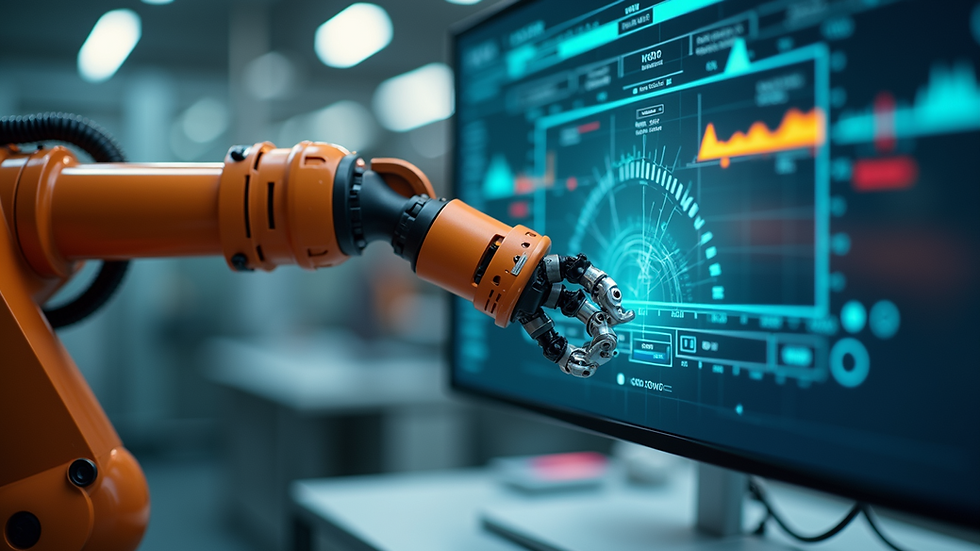
AI Auditing
AI auditing refers to the integration of AI technologies into the auditing process. This includes data analysis, risk assessment, and the evaluation of financial records. By automating repetitive tasks, AI enables auditors to focus on higher-order analyses and strategic decision-making. Some benefits of integrating AI in auditing include increased speed, improved accuracy, and the ability to analyze vast datasets efficiently.
For example, AI algorithms can scrutinize millions of transactions in seconds, identifying anomalies that could represent fraud or errors. Traditional methods, reliant on manual audits, are often time-consuming and prone to human error. In contrast, AI offers an opportunity for auditors to provide more valuable insights to their clients.

Benefits of AI in Auditing
The advantages of AI in auditing extend beyond mere efficiency. Here are some key benefits:
Enhanced Efficiency
AI automates many routine tasks, from data entry to reconciliations. This not only speeds up the auditing process but also reduces the chances of human error. By processing data at an unprecedented rate, auditors can conduct real-time analyses, revealing insights that would have taken days or weeks using traditional methods.
Improved Accuracy
Automated systems are less likely to make mistakes compared to human auditors. AI's ability to analyze vast amounts of data ensures that anomalies or discrepancies are detected much earlier in the auditing process. This level of accuracy translates to higher confidence in financial reporting.
Data-Driven Insights
AI excels at analyzing large datasets. Modern auditors can utilize predictive analytics to assess risks and identify future trends. By understanding historical data patterns, auditors can uncover insights that guide decision-making and strategic planning. This transformation shifts the auditor’s role from simply verifying compliance to providing actionable recommendations.
Is AI Taking Over Auditing?
While AI is significantly altering the landscape of auditing, it is essential to clarify its role. Rather than completely replacing human auditors, AI is augmenting their capabilities. The technology is designed to handle mundane tasks, allowing professionals to concentrate on analysis and advisory roles that require human judgment and creativity.
According to a Deloitte survey, around 58% of auditors believe that AI will create new opportunities in their profession within the next five years. While the technology eliminates some lower-level jobs, it is also expected to generate demand for higher-skilled roles, such as data analysts and AI specialists.

Challenges in Implementing AI in Auditing
Despite the benefits, implementing AI in auditing is not without challenges. Here are some hurdles organizations may face:
Data Quality and Integration
For AI to be effective, data must be high quality and well-structured. Organizations often struggle with disparate systems, leading to inconsistent data quality. Integrating AI with existing systems can be complex and may require significant investment in technology and training.
Cost of Implementation
Transitioning to AI-driven auditing requires substantial upfront costs, which can be a barrier for smaller firms. Additionally, ongoing maintenance and upgrades contribute to the overall expenses. Firms must weigh the financial investment against the long-term benefits that AI can bring.
Regulatory and Ethical Concerns
As with any new technology, regulatory frameworks often lag behind. Auditors must navigate legal compliance and ethical considerations, especially concerning data privacy and AI transparency. Without adequately addressing these concerns, organizations may face reputational risks.
Actionable Recommendations for Auditors
To thrive in this evolving landscape, auditors should consider the following recommendations:
Invest in Training: Continuous education on AI technologies is crucial. Firms should ensure their staff is equipped with the skills necessary to utilize AI tools effectively.
Embrace Collaboration: Collaborating with data scientists or IT professionals can facilitate a smoother integration of AI into auditing practices. Building interdisciplinary teams can enhance the overall capabilities of audit functions.
Prioritize Data Management: Firms need to establish strong data governance frameworks that ensure quality and consistency across datasets. Investing in robust data management systems is essential for successful AI implementation.
Stay Updated on Regulations: As AI continues to evolve, staying informed about changes in regulatory requirements is crucial. Auditors should actively engage with regulatory bodies to ensure compliance and address potential legal concerns.
Incorporating AI in auditing practices can create transformative impacts for organizations. By understanding both the advantages and challenges, audit professionals can position themselves for success in this new era.
The Future of Auditing with AI
As we consider the future of auditing, it is clear that AI will play a pivotal role. The integration of advanced analytics, machine learning, and intelligent automation will shape auditing frameworks going forward. Organizations that embrace these technologies early will likely gain a competitive edge, driving efficiency and offering more insightful audits.
The use of AI in auditing opens new avenues for growth and innovation. By shifting the focus from mundane tasks to strategic advisory roles, auditors can enhance their value in the financial ecosystem. As AI technology continues to evolve, so too will the auditing profession—creating opportunities for those who adapt to change.
In conclusion, the integration of AI in auditing signifies a shift towards smarter, more efficient practices. With thoughtful implementation, the future holds promise for auditors ready to harness the power of technology and data in a rapidly changing landscape.
Incorporate the changes and adjustments necessary to ensure that your firm remains relevant and proactive in a world where ai in auditing is not just a trend but a reality. The journey has just begun, and those in the auditing field should gear up for what lies ahead.

Comments